What Are Learning Skills?
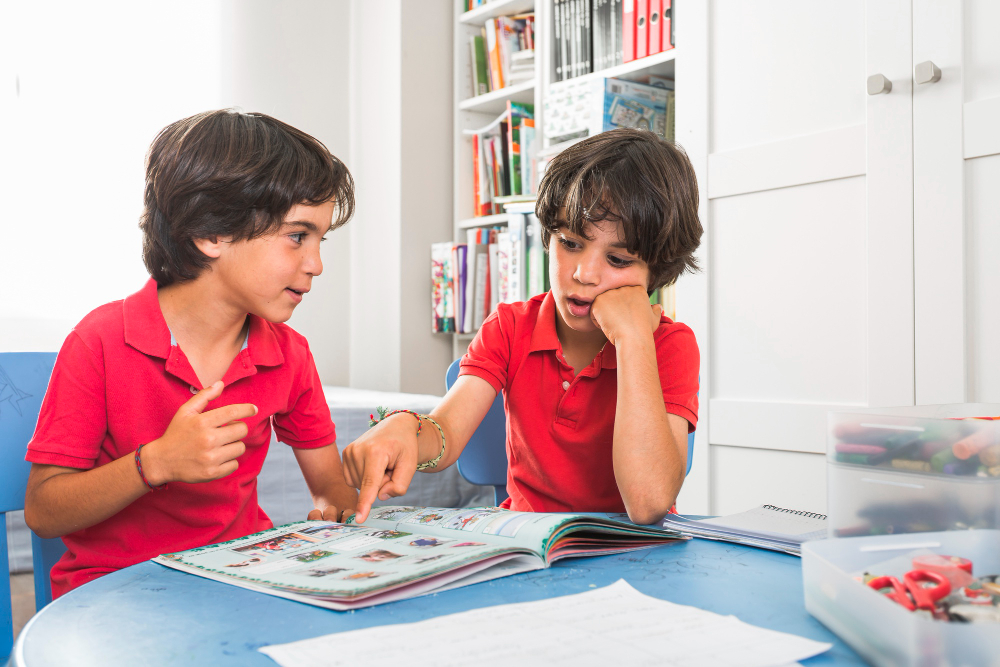
Learning skills in children are the abilities that help them understand, remember, and use new information. These skills include reading, writing, listening, speaking, and problem-solving. For example, children use learning skills to follow instructions, complete homework, and interact with others. Strong learning skills are important because they help children succeed in school and daily life. When children develop these skills early, they build confidence and enjoy learning. According to the CDC, early support can make a big difference in a child’s growth.
Common Signs and Symptoms of Learning Skill Challenges in Children
Sometimes, children may face challenges with learning skills. Early signs of learning difficulties can appear in many ways. For instance, you may notice your child:
However, not all children show the same signs. If you notice any of these, it may be time to seek help.
Causes and Risk Factors Affecting Learning Skills
Many factors can affect learning skills in children. Some common causes and risk factors include:
Even so, not all children with these risk factors will have learning skill challenges. Early support can help reduce the impact of these risks.
How Pediatricians Diagnose Learning Skill Issues
Pediatricians use several steps to assess learning skills in children. First, they talk with parents and teachers about the child’s behavior and school performance. Next, they may use pediatric learning skill assessment tools. These tools help measure reading, writing, memory, and attention. Sometimes, pediatricians refer children to specialists, such as psychologists or speech therapists. Early diagnosis is key, because it allows for timely support and better outcomes.
Evidence-Based Treatment and Support Strategies
There are many ways to help children improve learning skills. Evidence-based treatments include:
Moreover, working closely with your child’s care team ensures the best support. The WHO and CDC recommend early and ongoing intervention for the best results.
Practical Lifestyle Tips for Parents to Support Learning Skills at Home
Parents play a big role in helping children develop learning skills. Here are some practical tips on how to improve learning skills in children at home:
With these steps, you can create a supportive learning environment at home.
Prevention and Early Intervention
Early intervention is the best way to prevent learning skill challenges from becoming bigger problems. For example, regular check-ups with a pediatrician can help spot early signs of learning difficulties. If you notice any concerns, act quickly. Early support, such as speech therapy or tutoring, can make a big difference. In addition, keeping a healthy lifestyle and positive home environment supports your child’s growth and learning.
Conclusion
Learning skills in children are key for success in school and life. If you notice early signs of learning difficulties, seek help right away. Consult a pediatrician at UTAGE Child Development Center for personalized advice on supporting your child’s learning skills.